Keep up to date with our latest whitepapers, blog posts, articles, and news about Agentic AI, Wealth Management, RIAs, Family Offices, and Data Warehouse solutions.

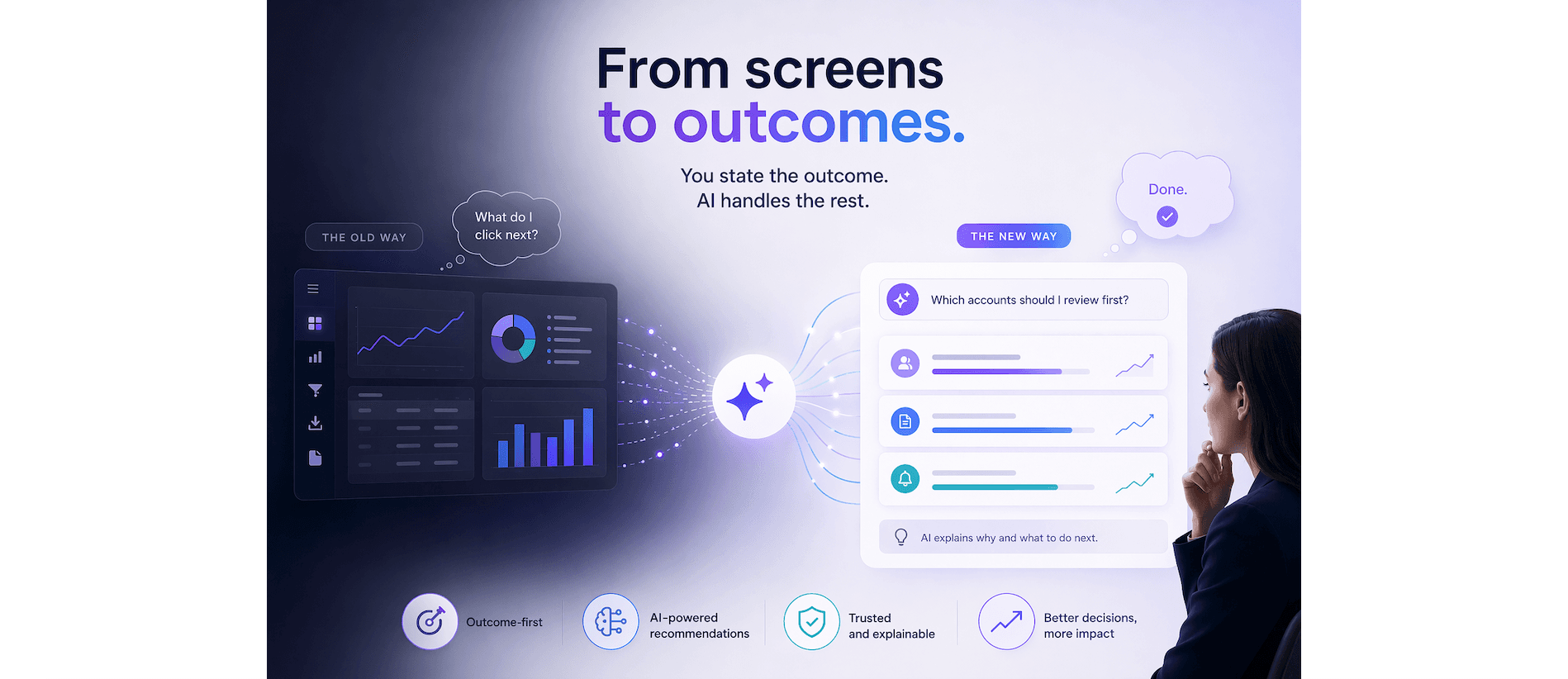
AI is quietly shifting SaaS design from 'what buttons do I click?' to 'what do I want to achieve?' Designers are no longer just arranging screens; they're designing intent-driven workflows where the UI becomes lighter, but the behavior is richer.
We're honored to be recognized once again as one of the world's most innovative WealthTech companies. The WealthTech100 list highlights solution providers shaping the future of wealth and asset management.
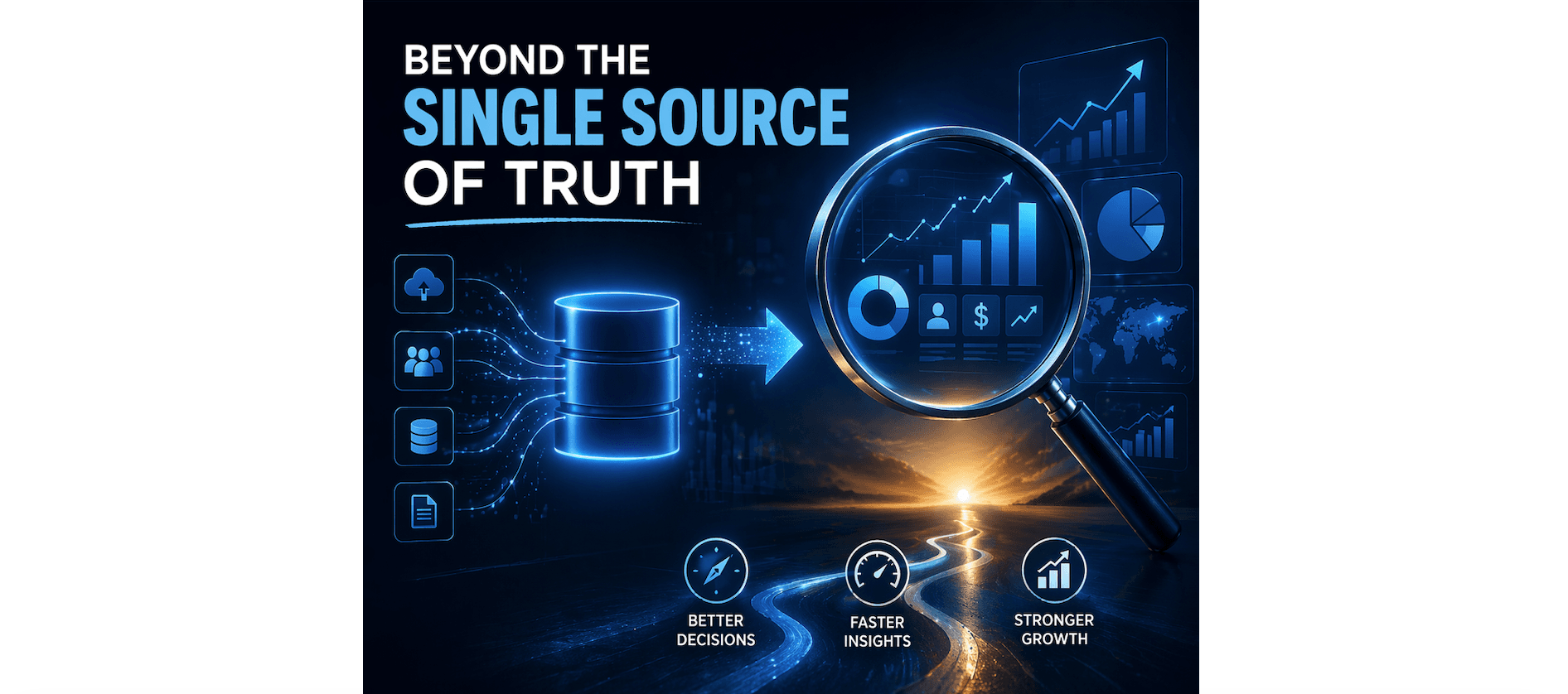
Everyone wants a single source of truth. But centralizing data is not the same as creating value. Too many firms spend time and money building data lakes without answering the most important question first: what are we trying to improve?
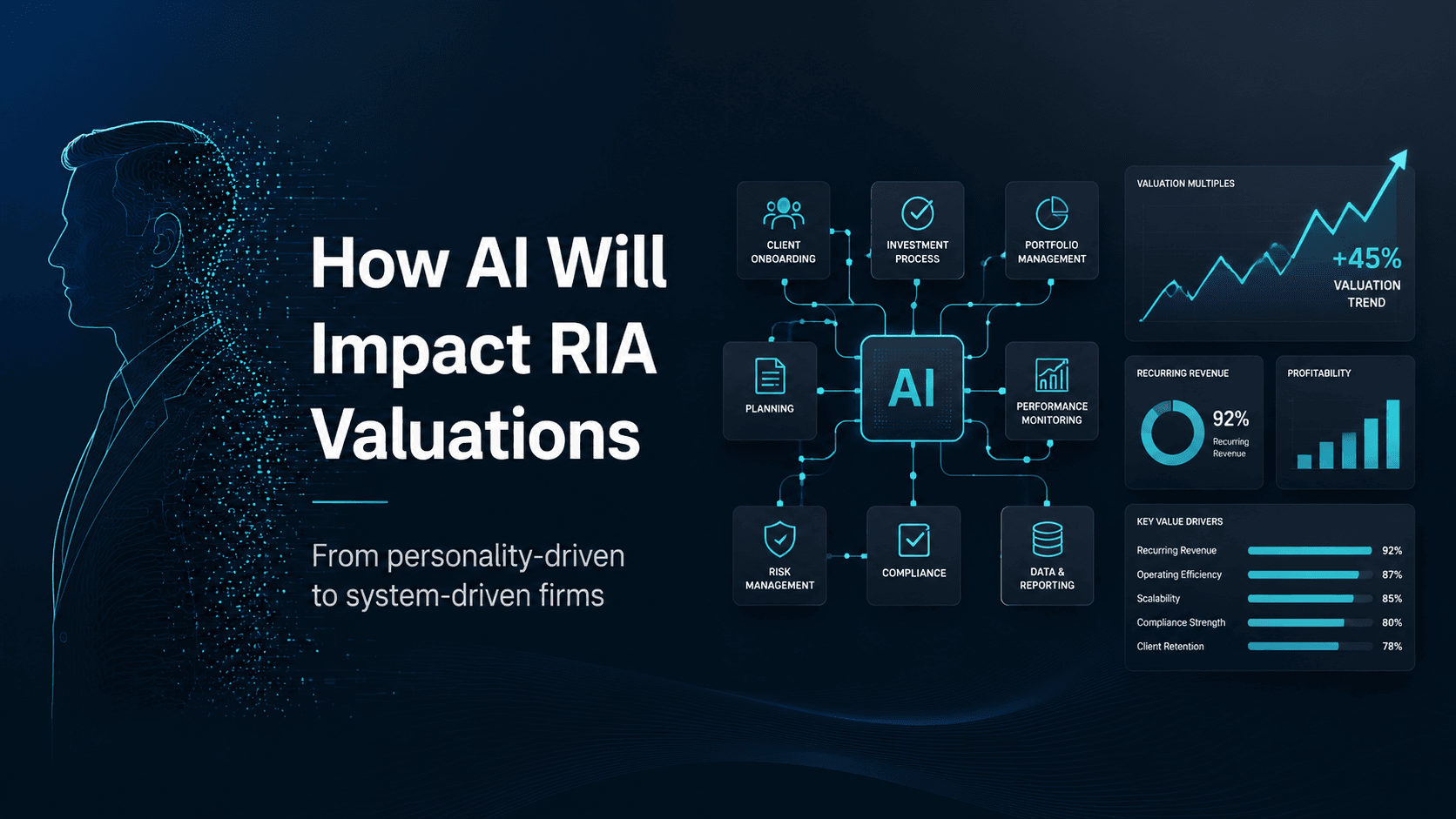
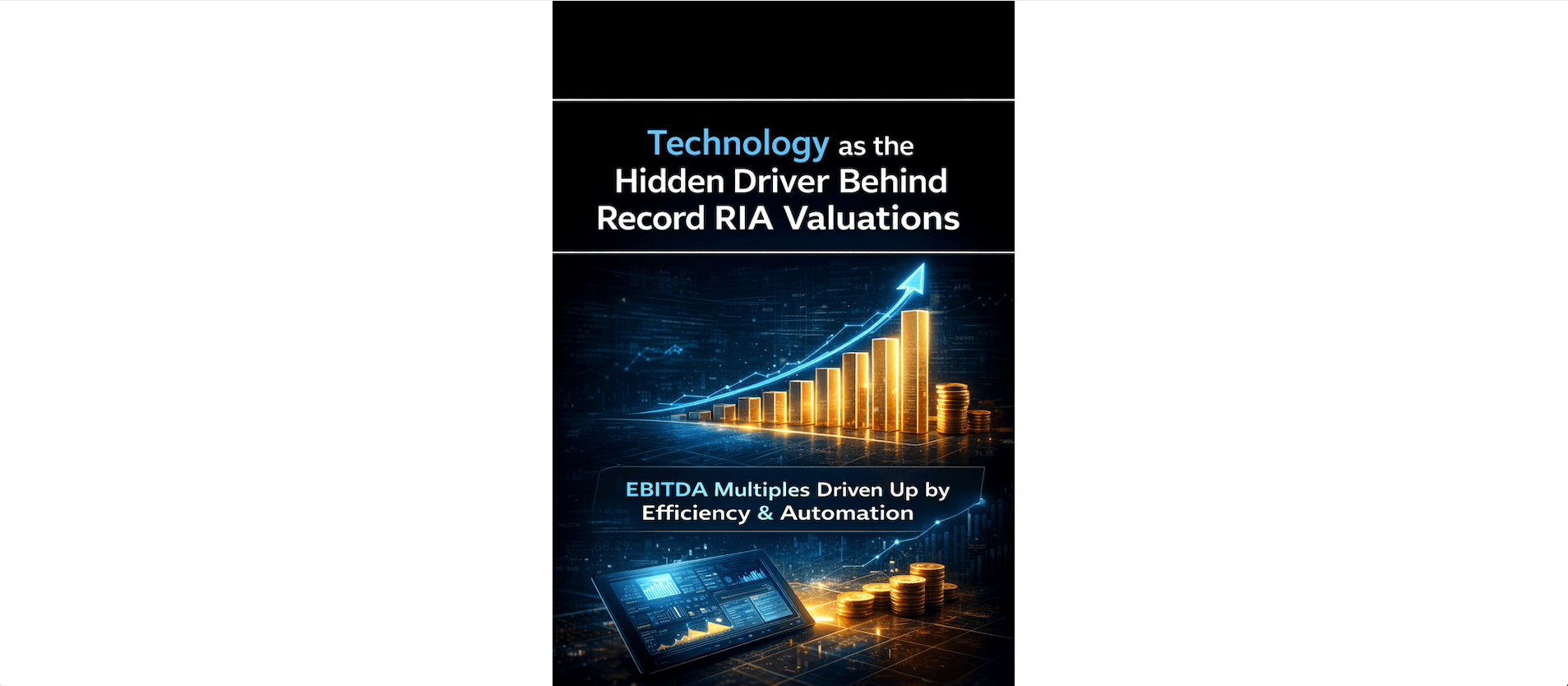
The RIA industry has entered a fascinating chapter — median valuations hit a record 11.6× EBITDA in 2025. While market optimism and consolidation trends play a part, the real multiplier of enterprise value is increasingly operational efficiency powered by technology.
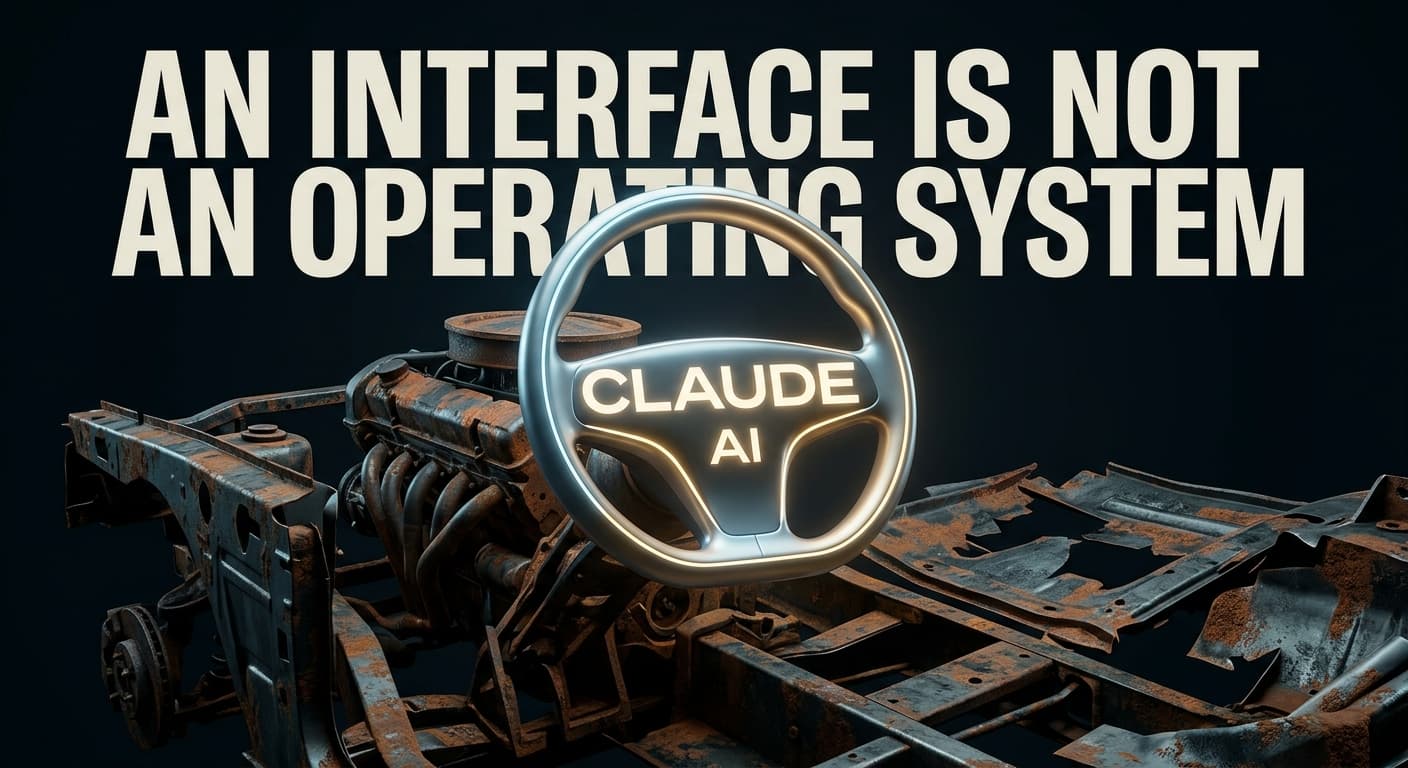
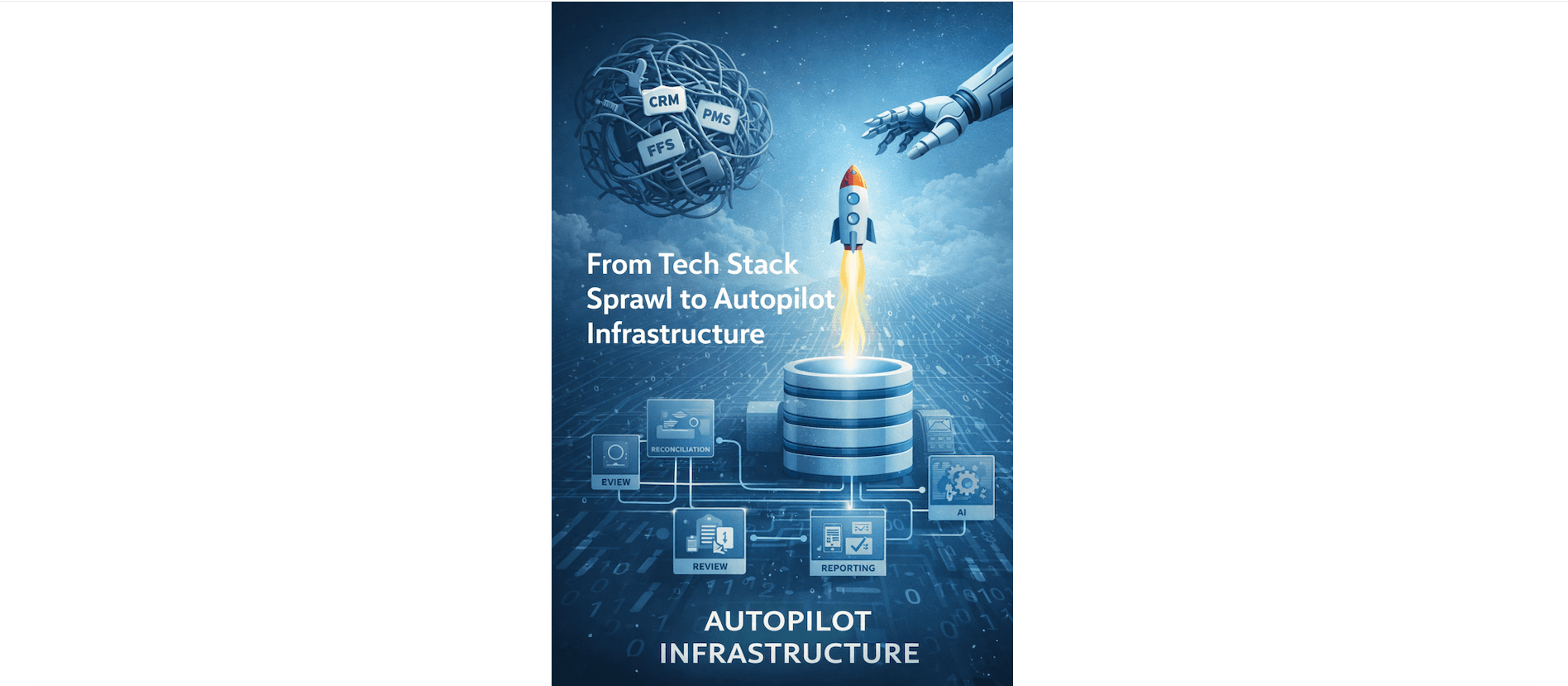
In today's wealth management landscape, the rise of SaaS sprawl is real. Every new workflow promise seems to come with its own app, login, and data silo. The antidote? A unified data model sitting at the center of the stack.
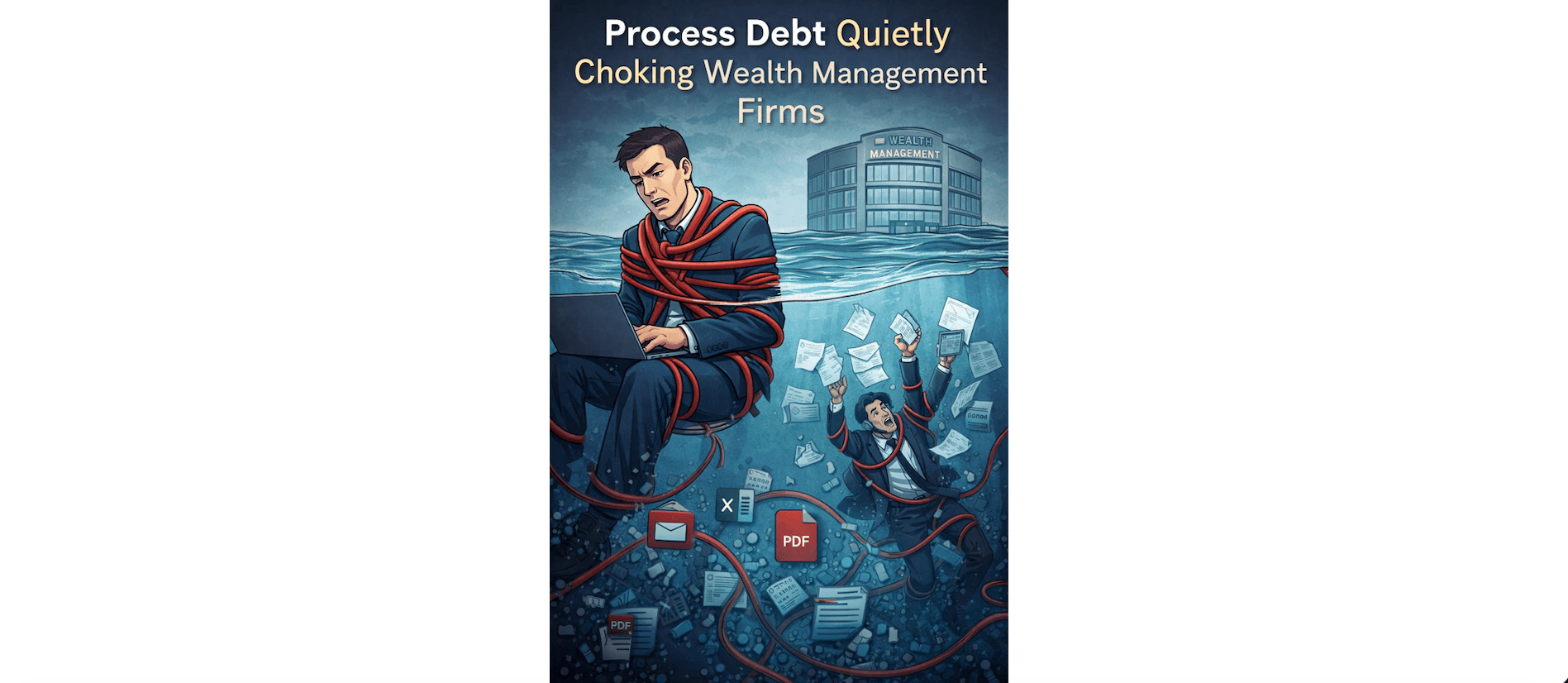
Most wealth managers don't have a tech gap—they have a last-mile gap. Core systems hum along, but 10–20% of workflows still run on Excel, email, and PDFs. Studies show ops teams lose 30–40% of their week to manual reconciliation. That's where growth, margins, and advisor capacity get stuck.
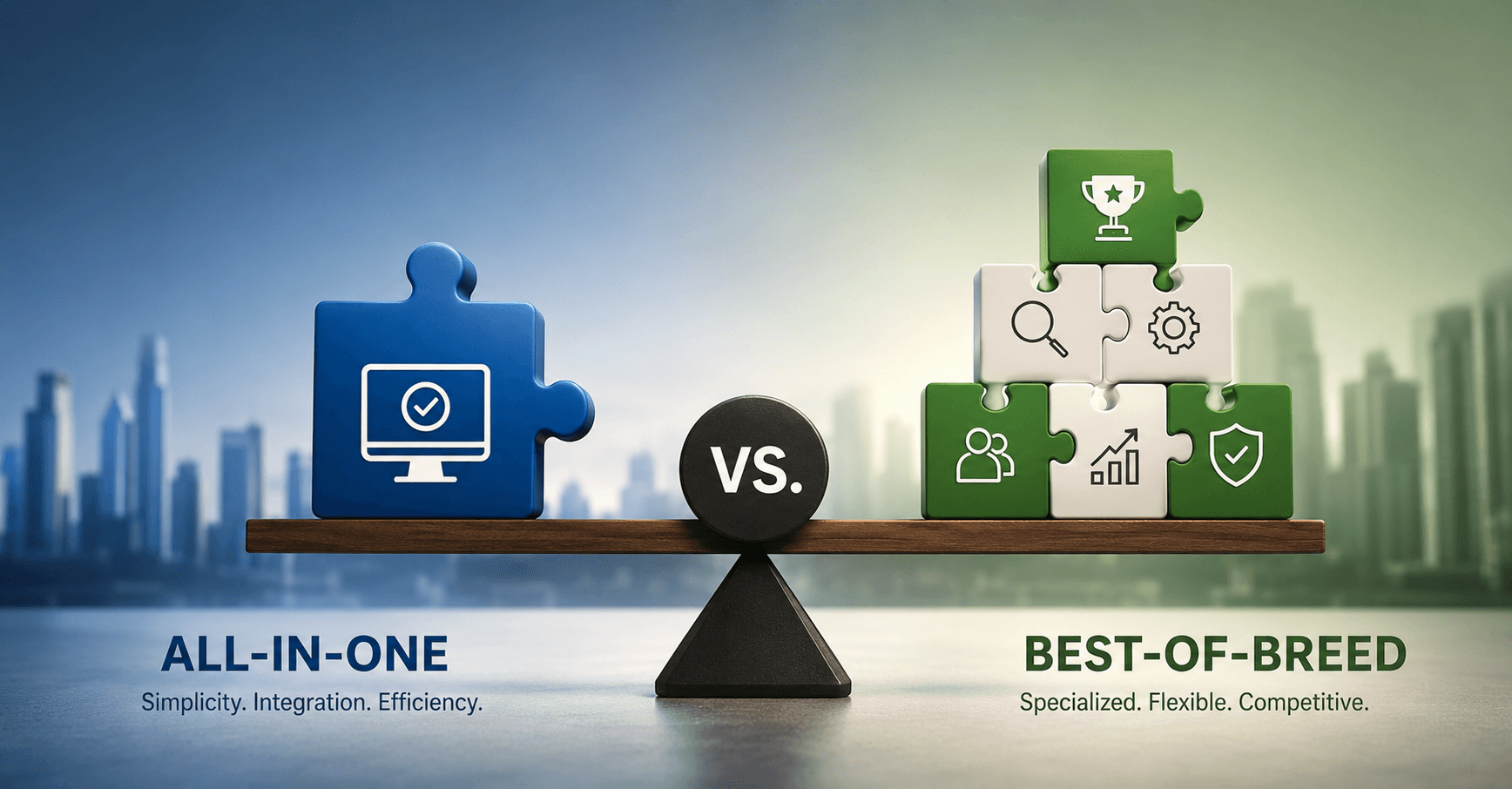
Most wealth and asset managers are quietly heading in the same direction: their tech stacks are going to shrink, not grow. Instead of adding yet another platform, they want a small set of core systems and a handful of focused utilities that just get specific jobs done. This is where lightweight, AI-powered apps layered directly on top of the warehouse become so powerful.
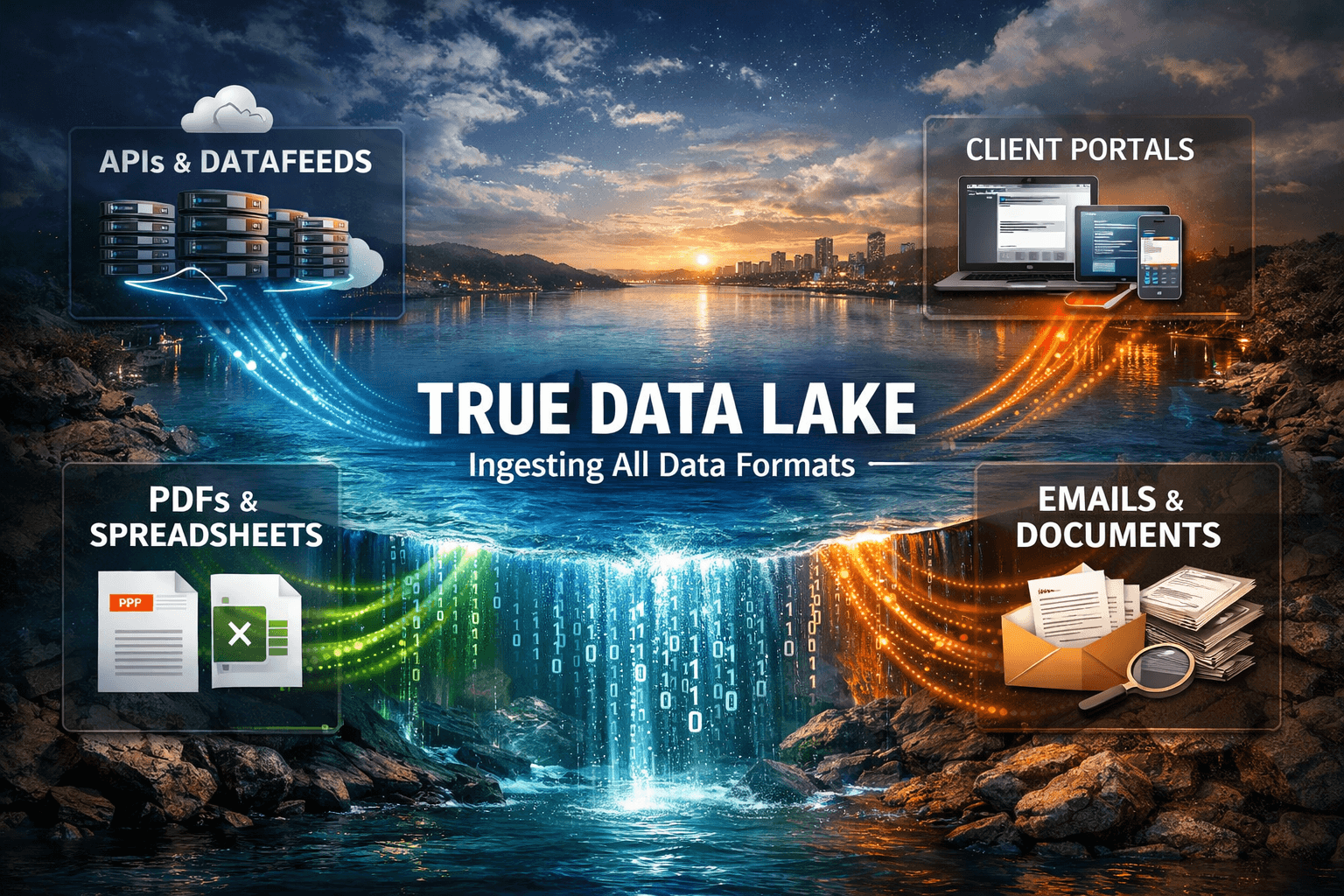
Most wealth management systems only accept structured data via APIs and datafeeds. But true data lakes must ingest everything: PDFs, Excel sheets, portal data, emails, and documents. Without holistic data ingestion, your analytics will always be incomplete—and in wealth management, missing data means major blind spots.
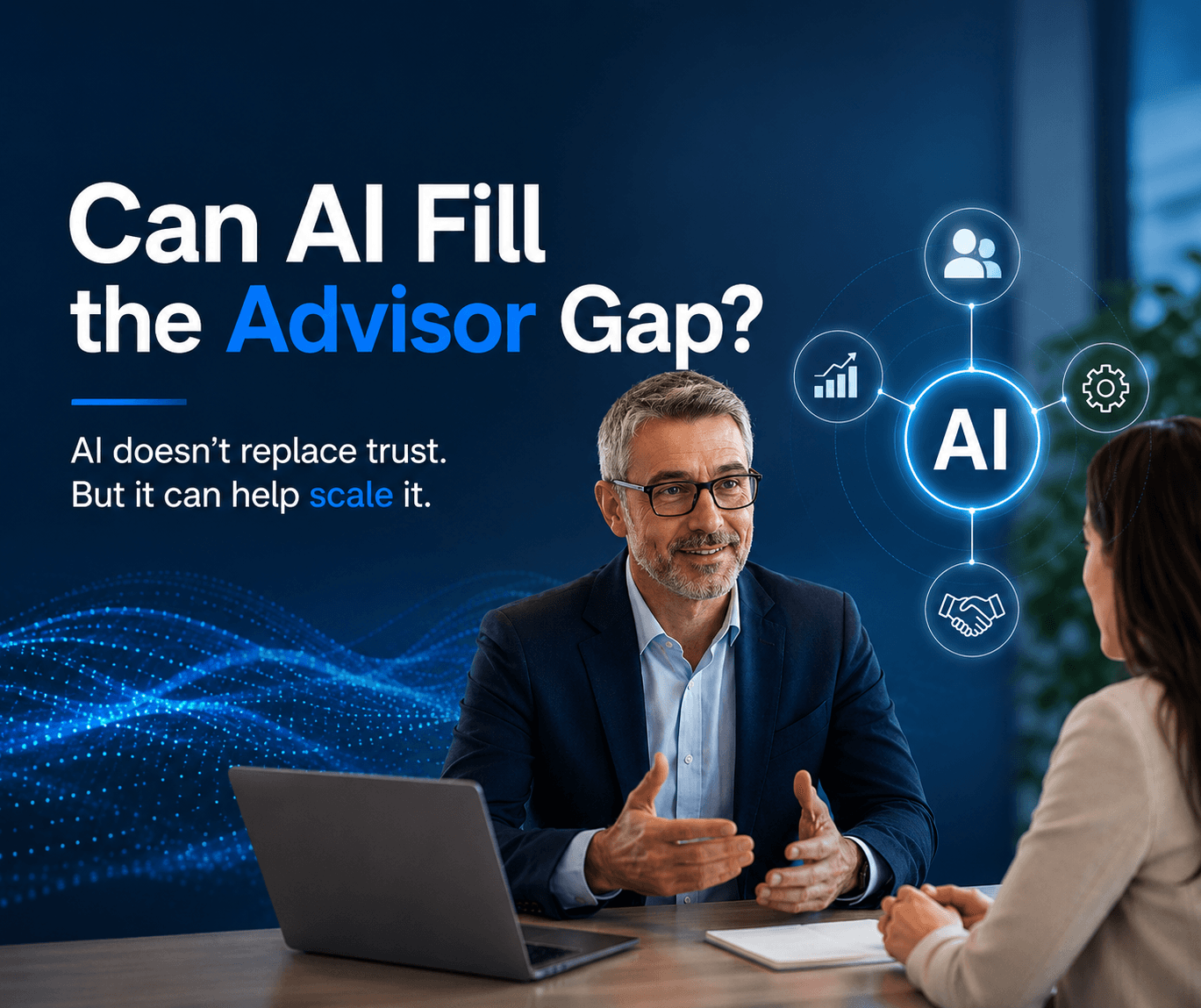
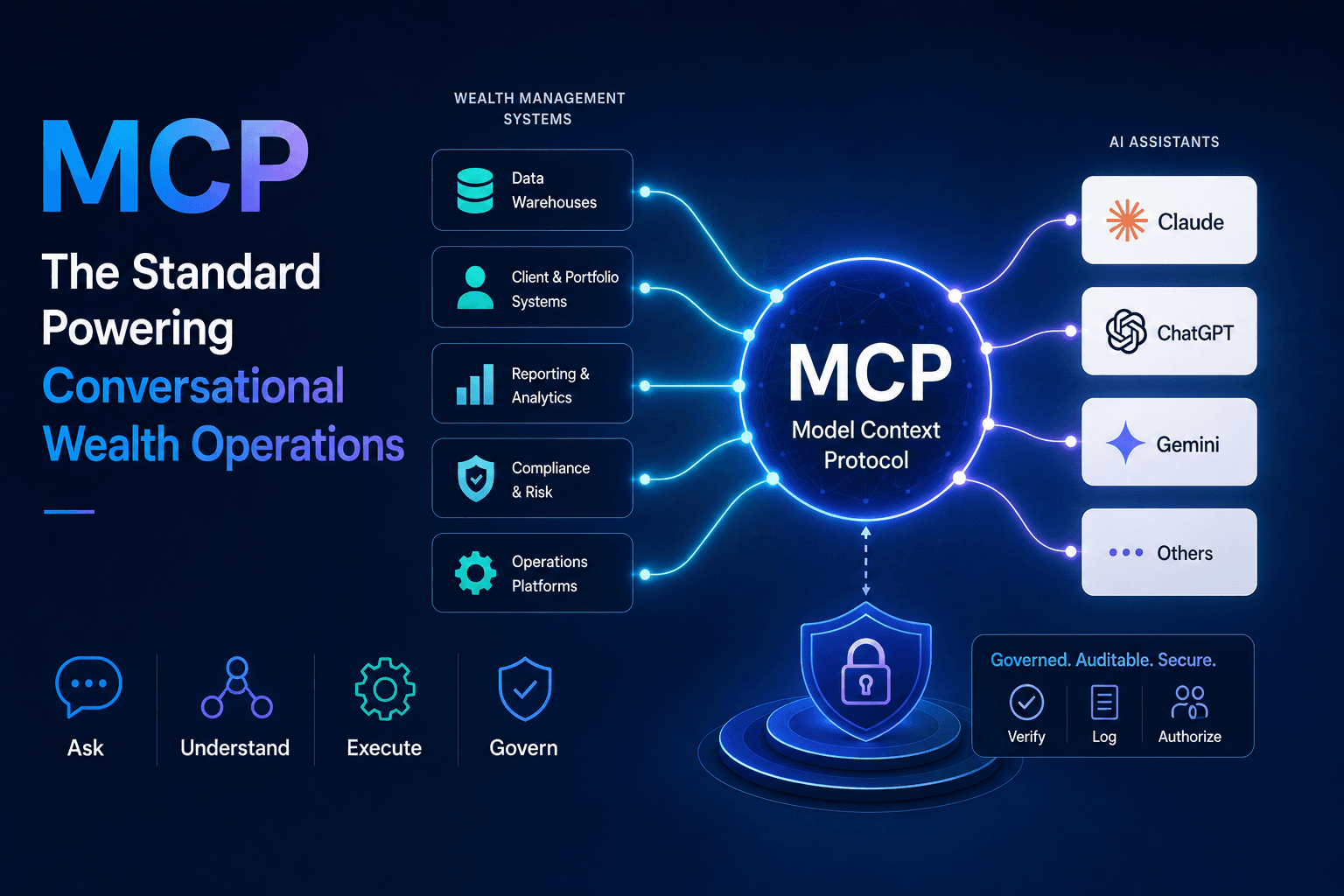
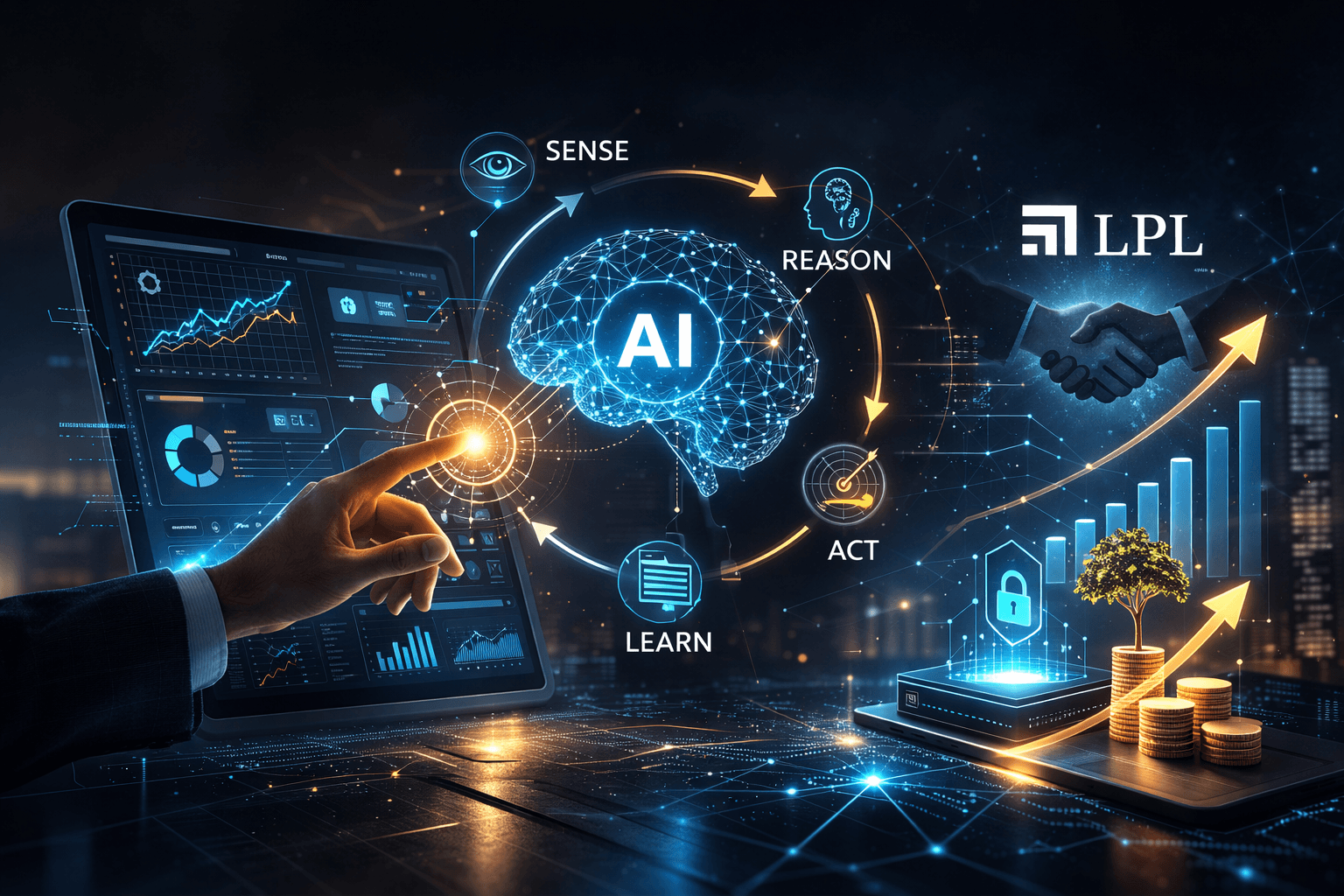
Anthropic's launch of Claude CoWork plug-ins for wealth management, including portfolio analysis and tax optimization, marks a pivotal shift toward agentic AI in the industry. With their expanded partnership with LPL Financial serving 30,000+ advisors, this initiative tests autonomous AI systems that can sense, reason, act, and learn—transforming how advisors handle complex tasks.
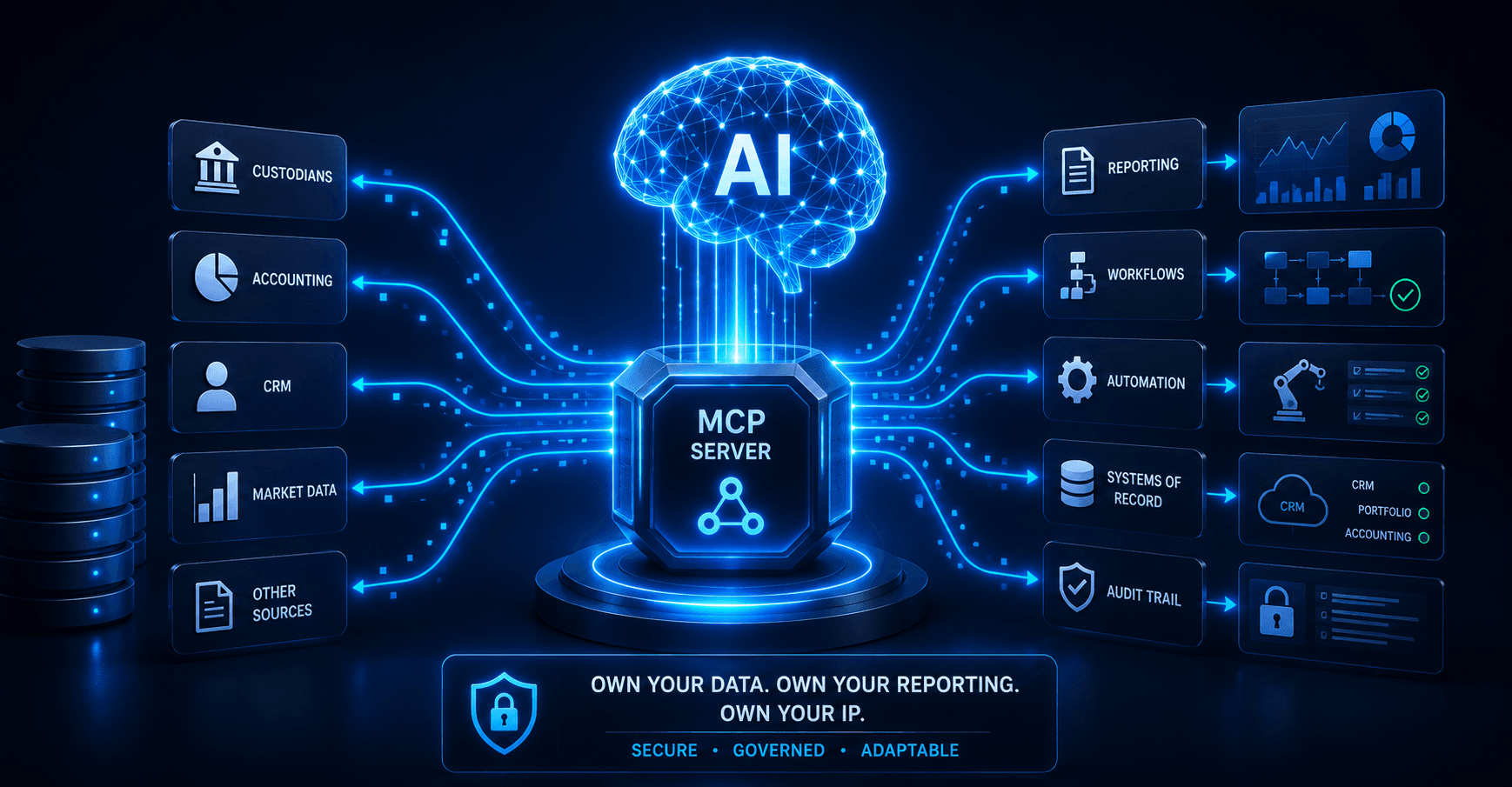
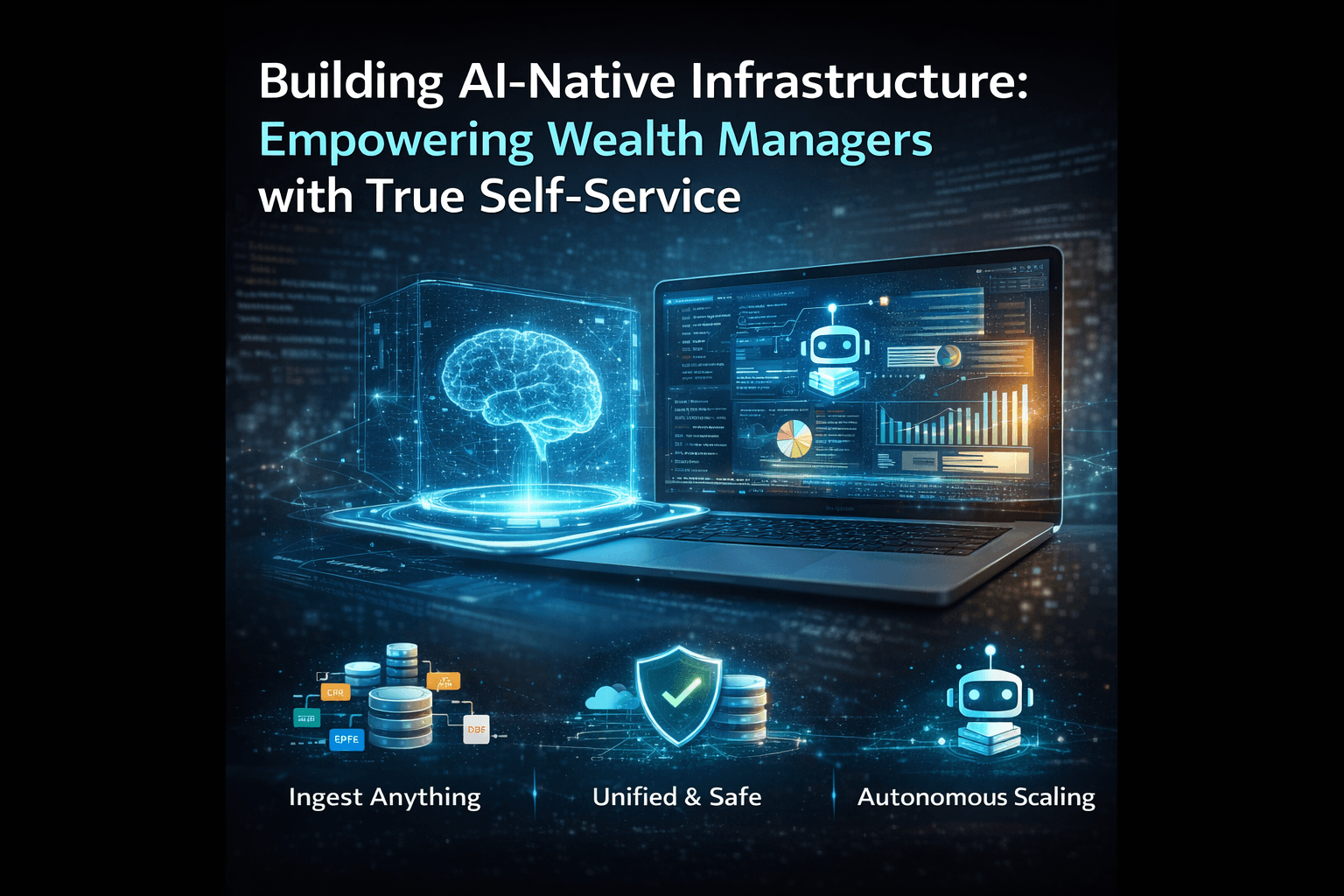
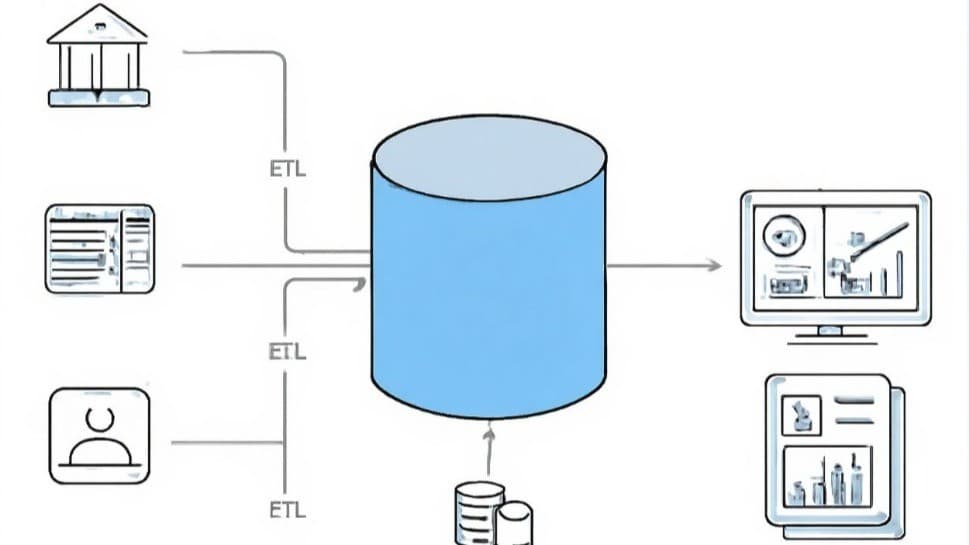
Wealth management faces fragmented data from custodians, CRMs, PDFs, and APIs—driving manual reconciliation, delays, and lost insights. AI-native infrastructure, built ground-up for agentic AI, changes this by enabling true self-service with automated data ingestion, unified models, and autonomous scaling.
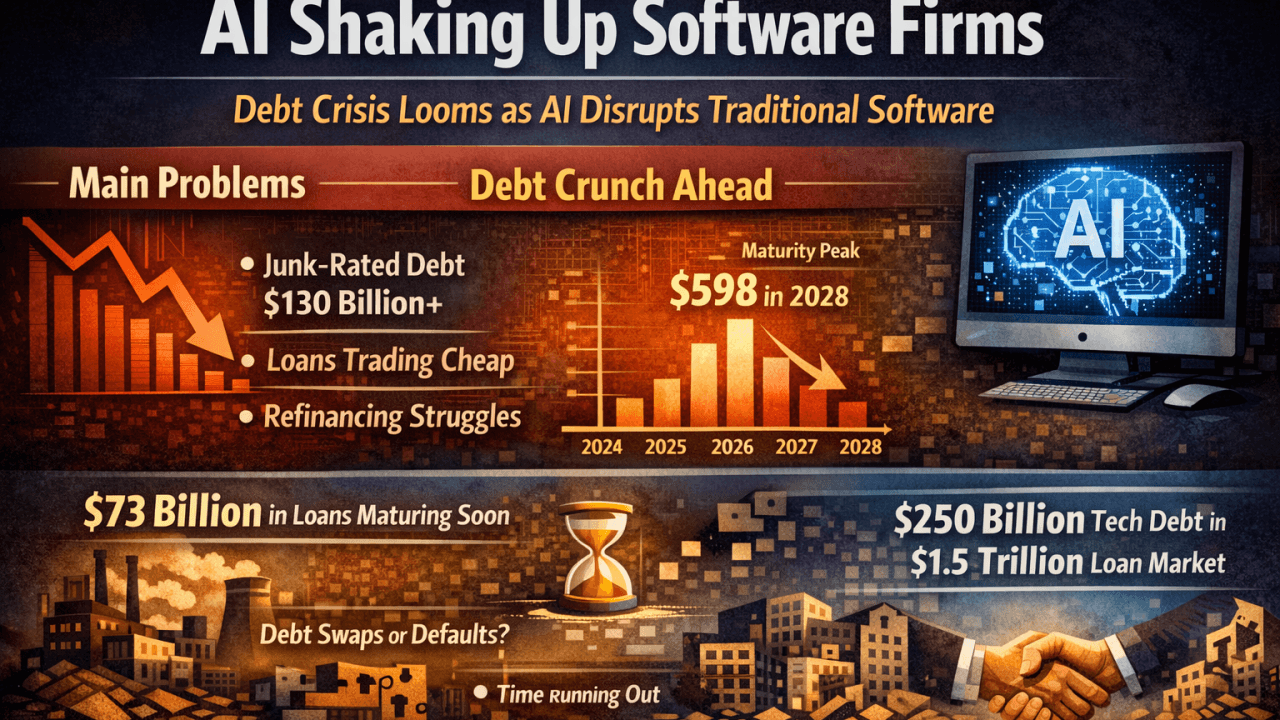
AI is shaking up software companies, making it tougher for those with big debts to refinance loans. About $73 billion in loans mature soon, peaking at $59 billion in 2028.
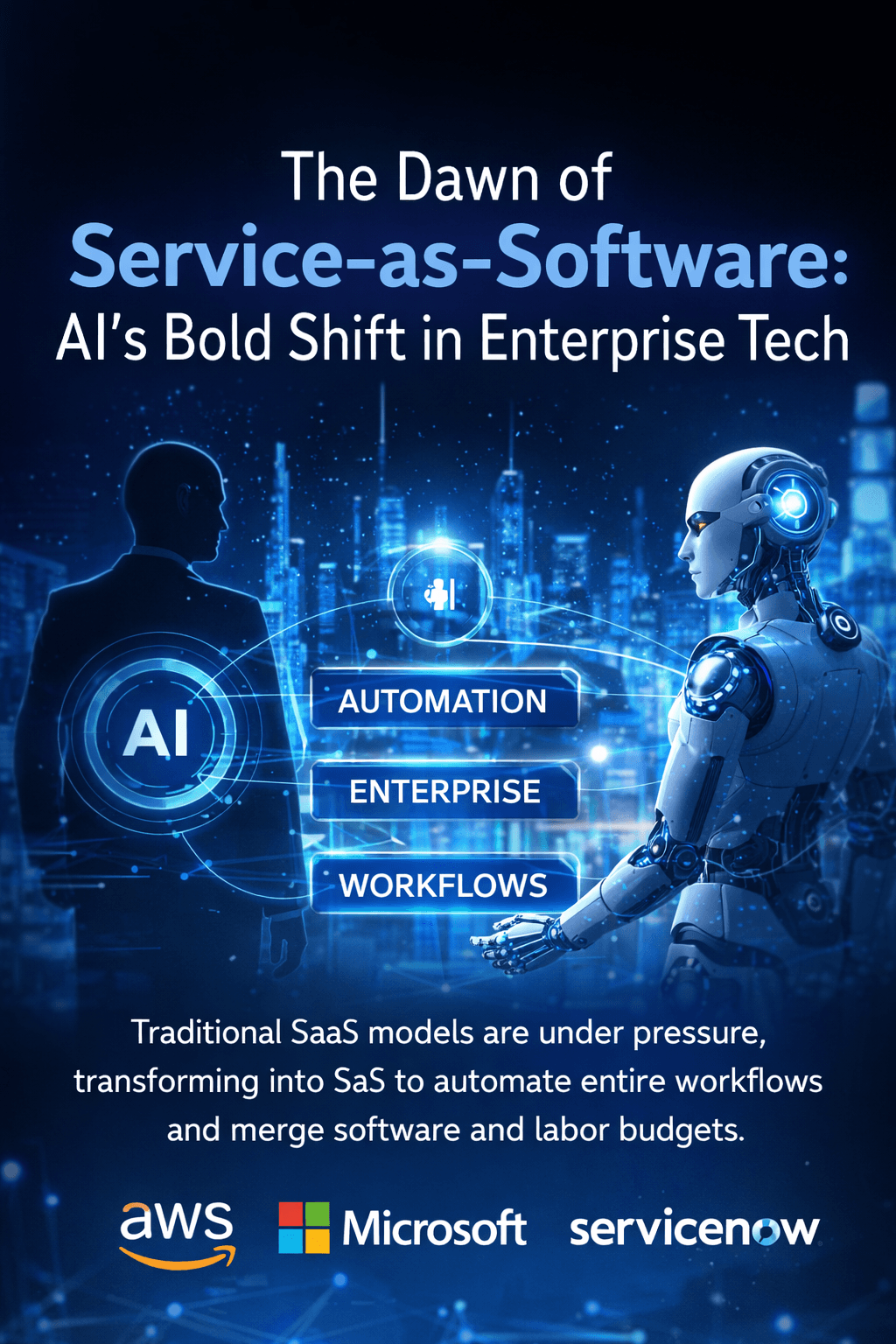
Traditional SaaS models face intense pressure from AI advancements, but established players are evolving into 'Service-as-Software' (SaS) providers that automate entire workflows. This transition promises to blend software budgets with labor costs, unlocking massive growth opportunities for adaptable vendors.
OpenClaw and Moltbook reveal the dark side of AI agents: persistent memory, untrusted content, and real-world actions create a lethal combination. Without secure guardrails, we're handing over our keys to agents that might not be as trustworthy as we think.
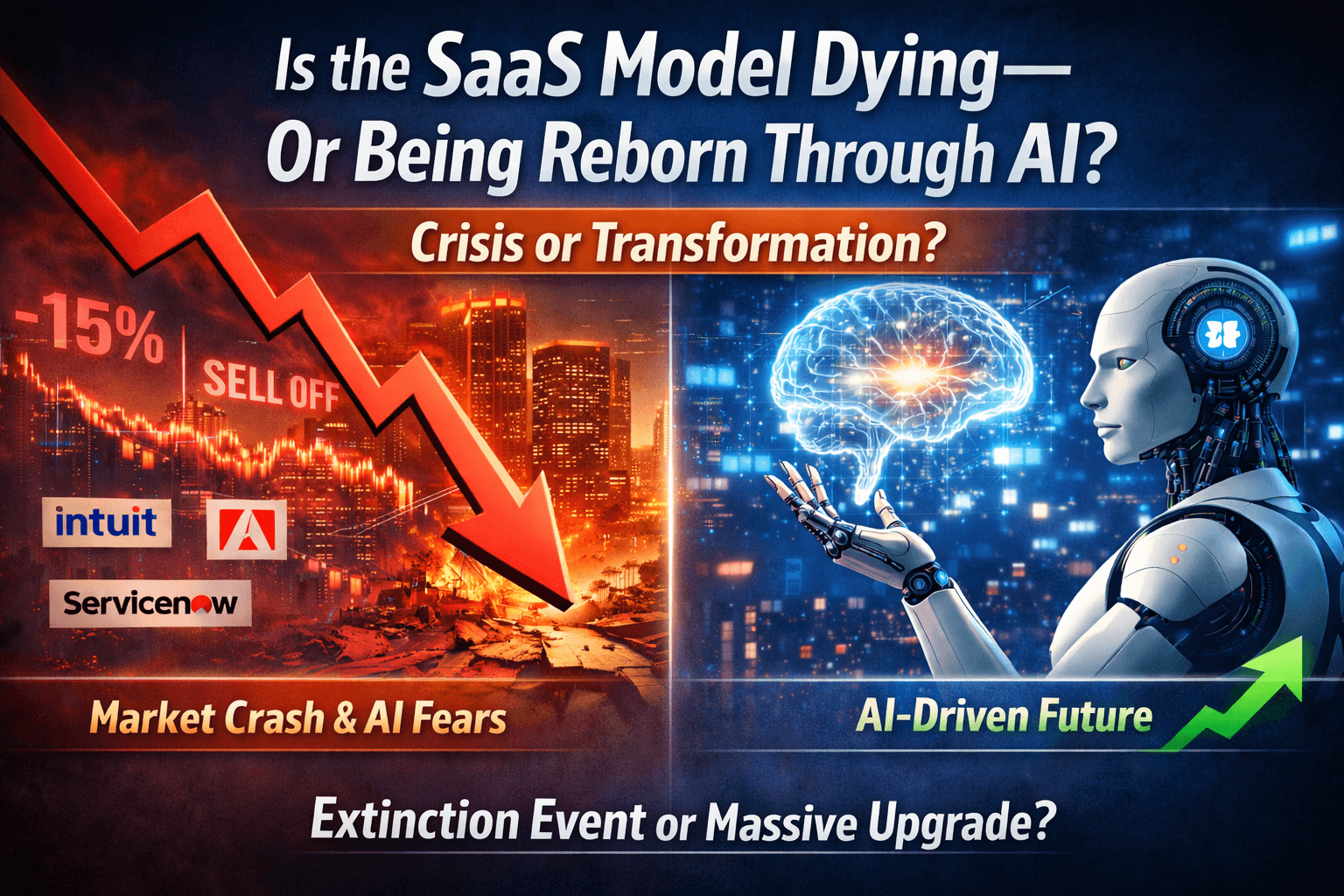
SaaS companies face unprecedented pressure in 2026 as AI tools threaten traditional subscription models. Yet this 'SaaSpocalypse' might ignite a powerful evolution rather than spell the end—discover how AI-native SaaS is being reborn.
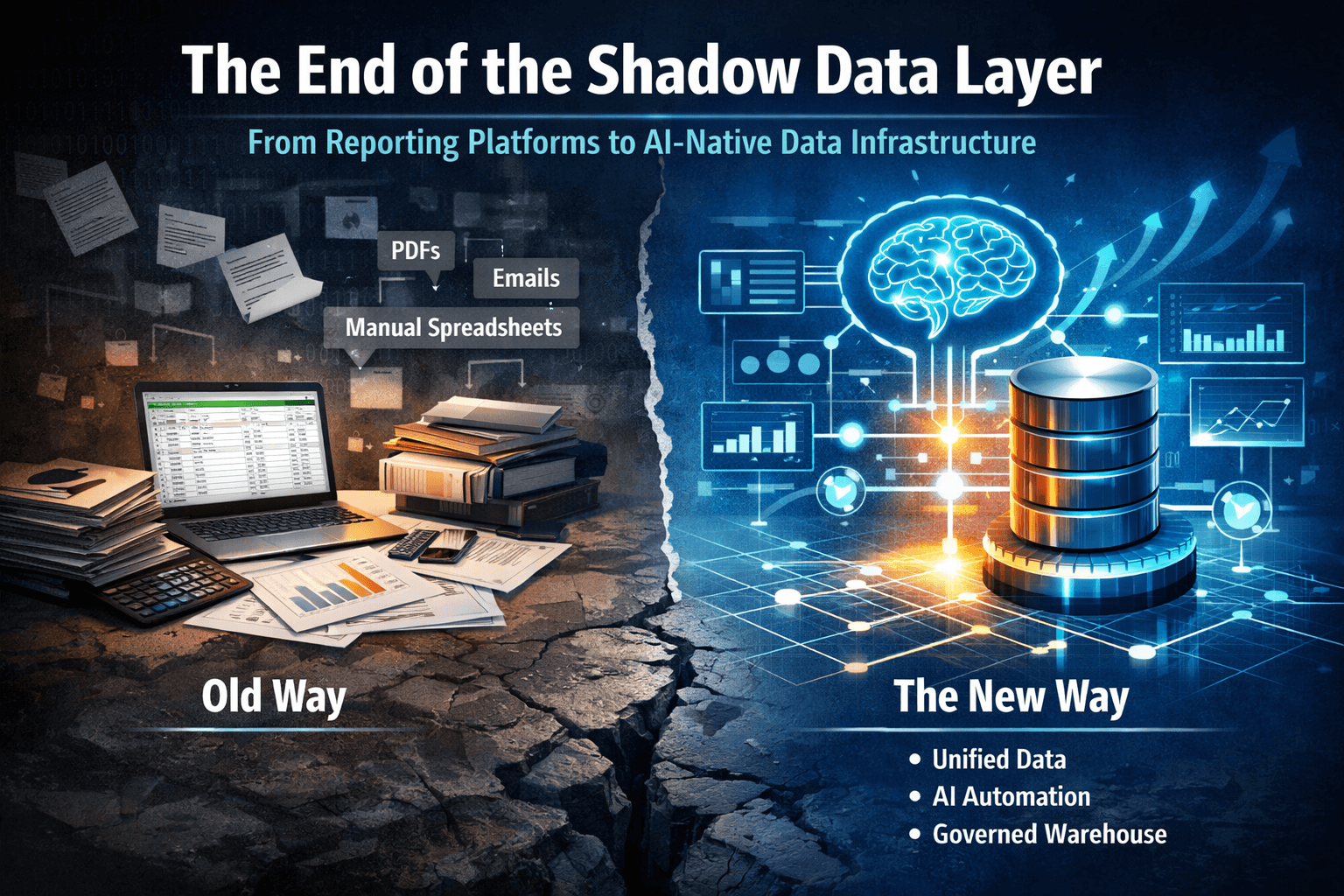
For the last decade, performance reporting solutions did exactly what they were supposed to do. Today, the real category shift is replacing the shadow layer with AI-native data infrastructure.
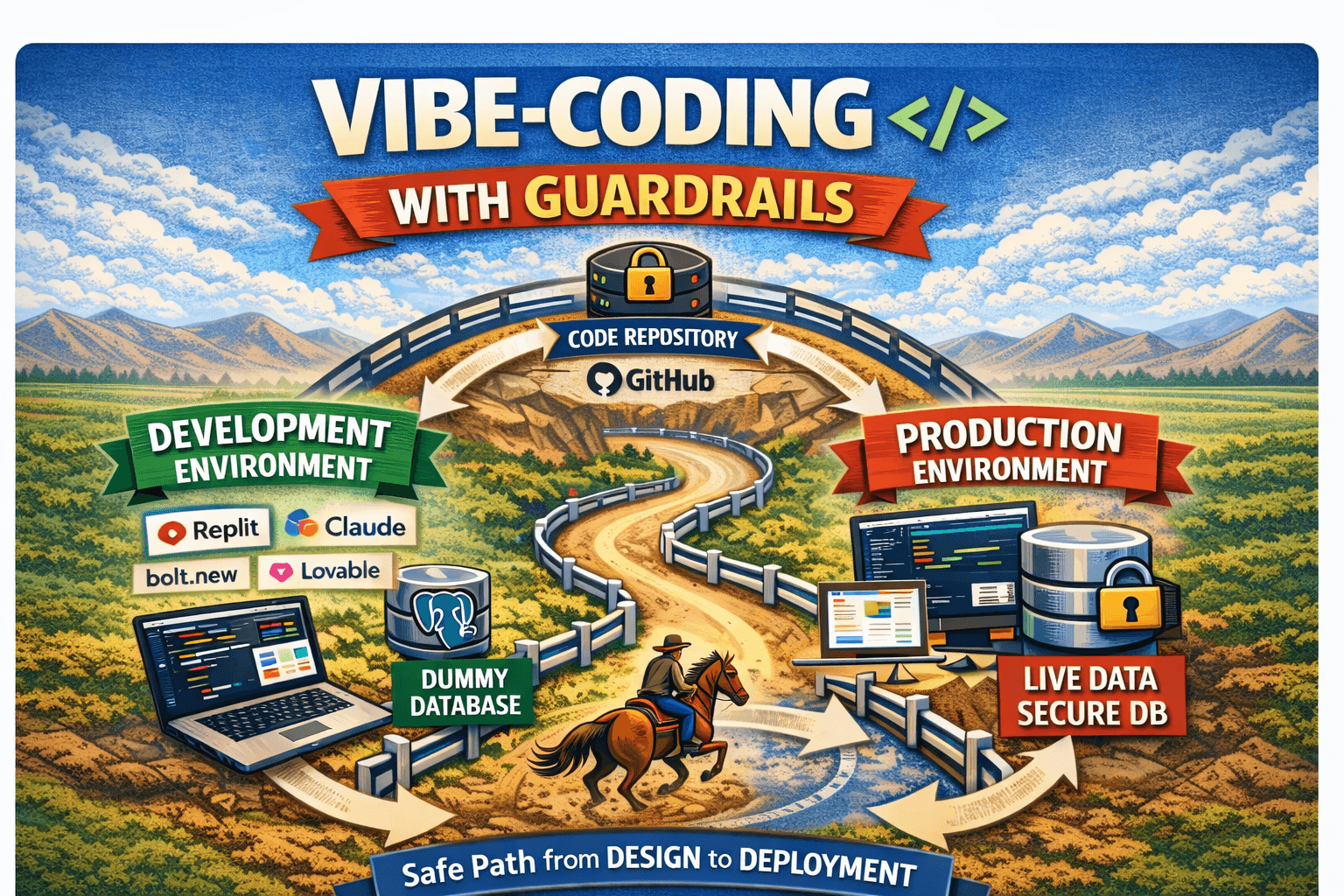
Vibe-coding empowers wealth managers to build custom UIs using natural language prompts, but its unpredictable nature demands robust guardrails to protect sensitive data.
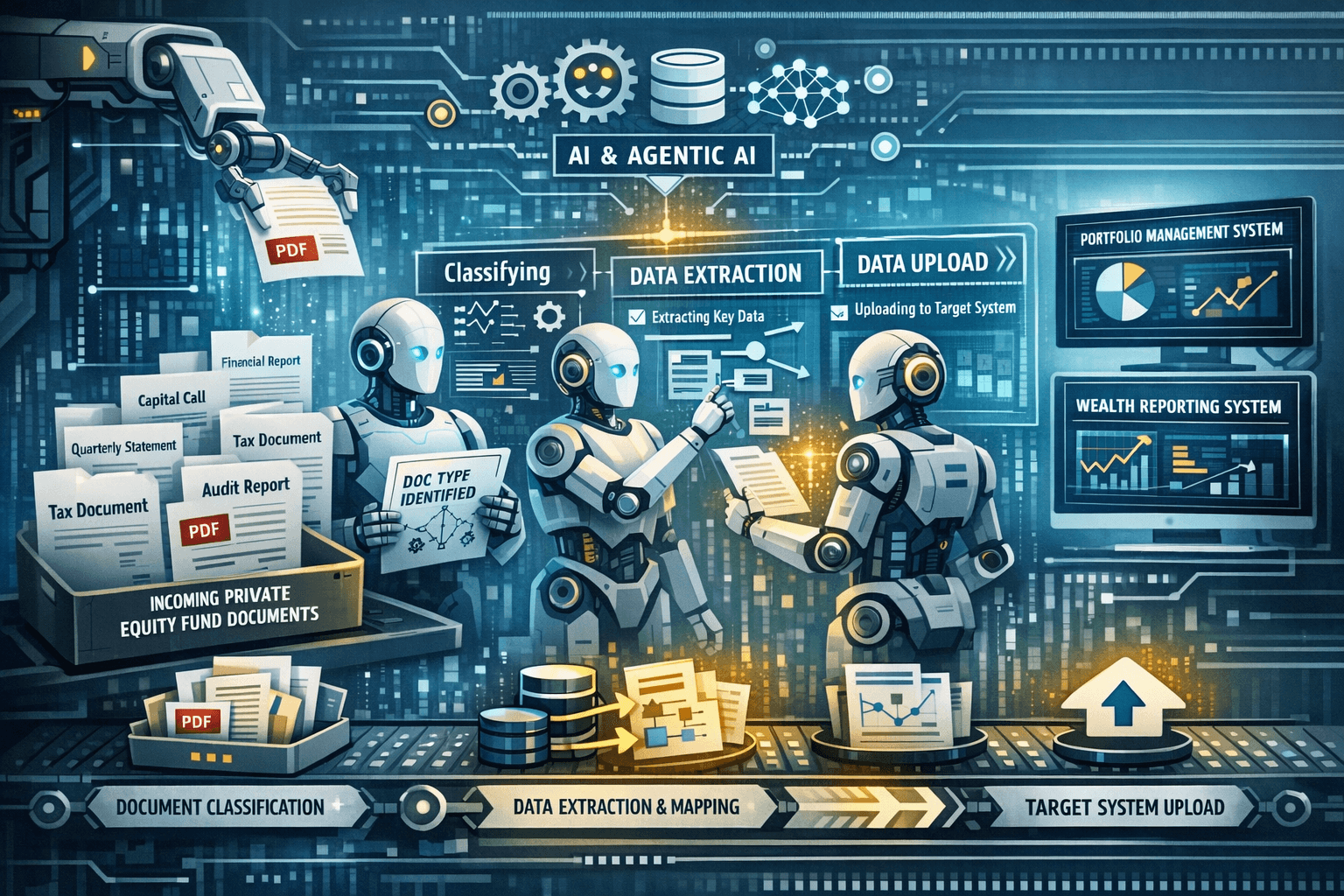
The alternative investments data world is moving from static PDF parsing to autonomous, agentic workflows where AI-driven bots ingest, classify, interpret, and route PE documents end-to-end.
Success isn't just about individual talent — it's about how well a team moves together. Lessons from basketball coaching applied to wealth management technology.
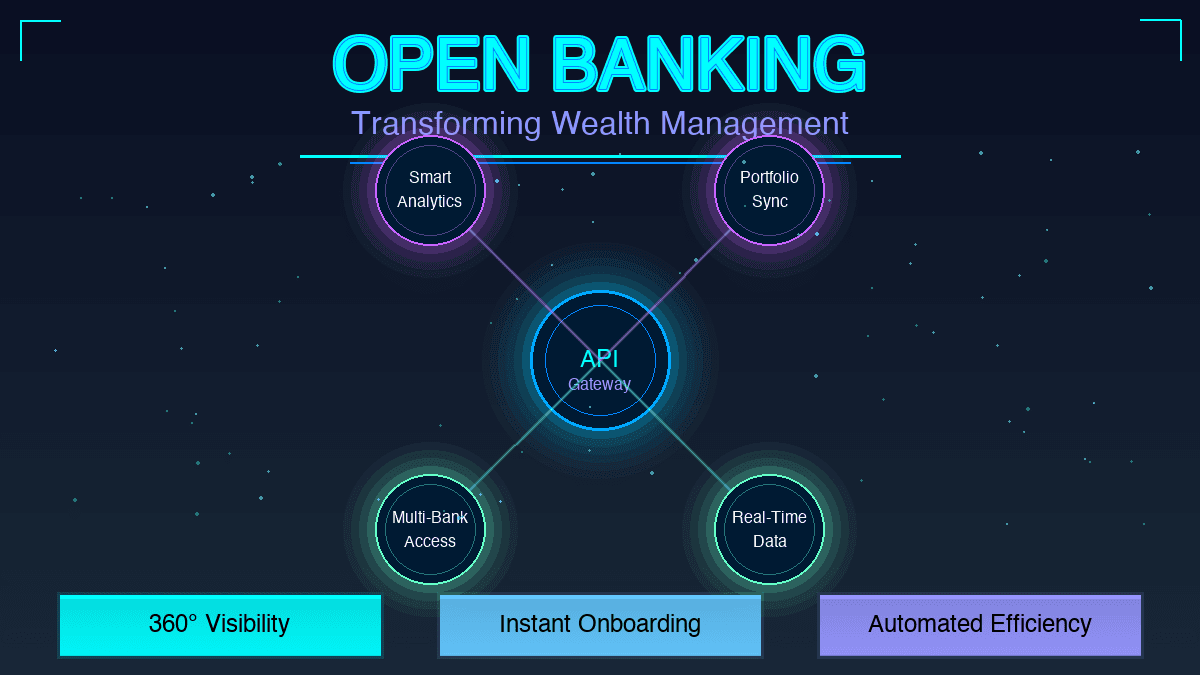
Open banking empowers wealth managers by enabling secure, API-driven access to clients' financial data across institutions, fostering personalized strategies and operational efficiency.
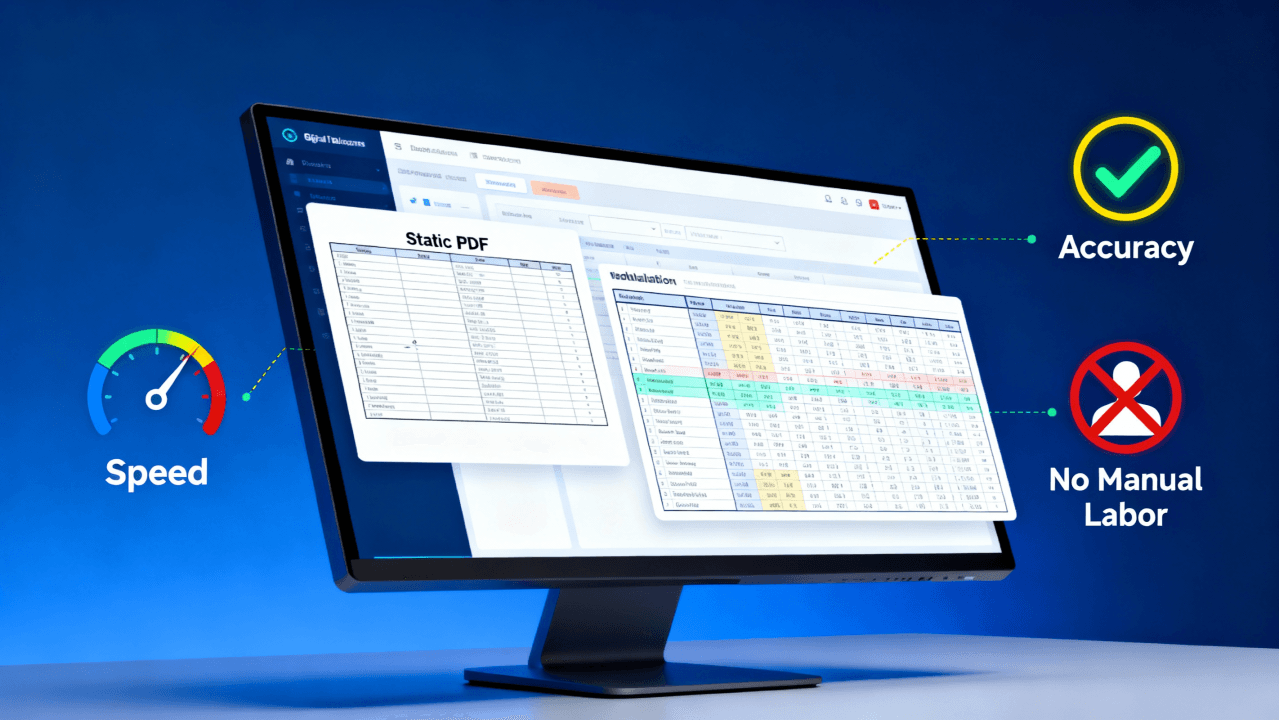
Automating PDF parsing eliminates repetitive, error-prone manual data entry and turns static documents into live, reusable data that can feed downstream systems in seconds instead of hours.
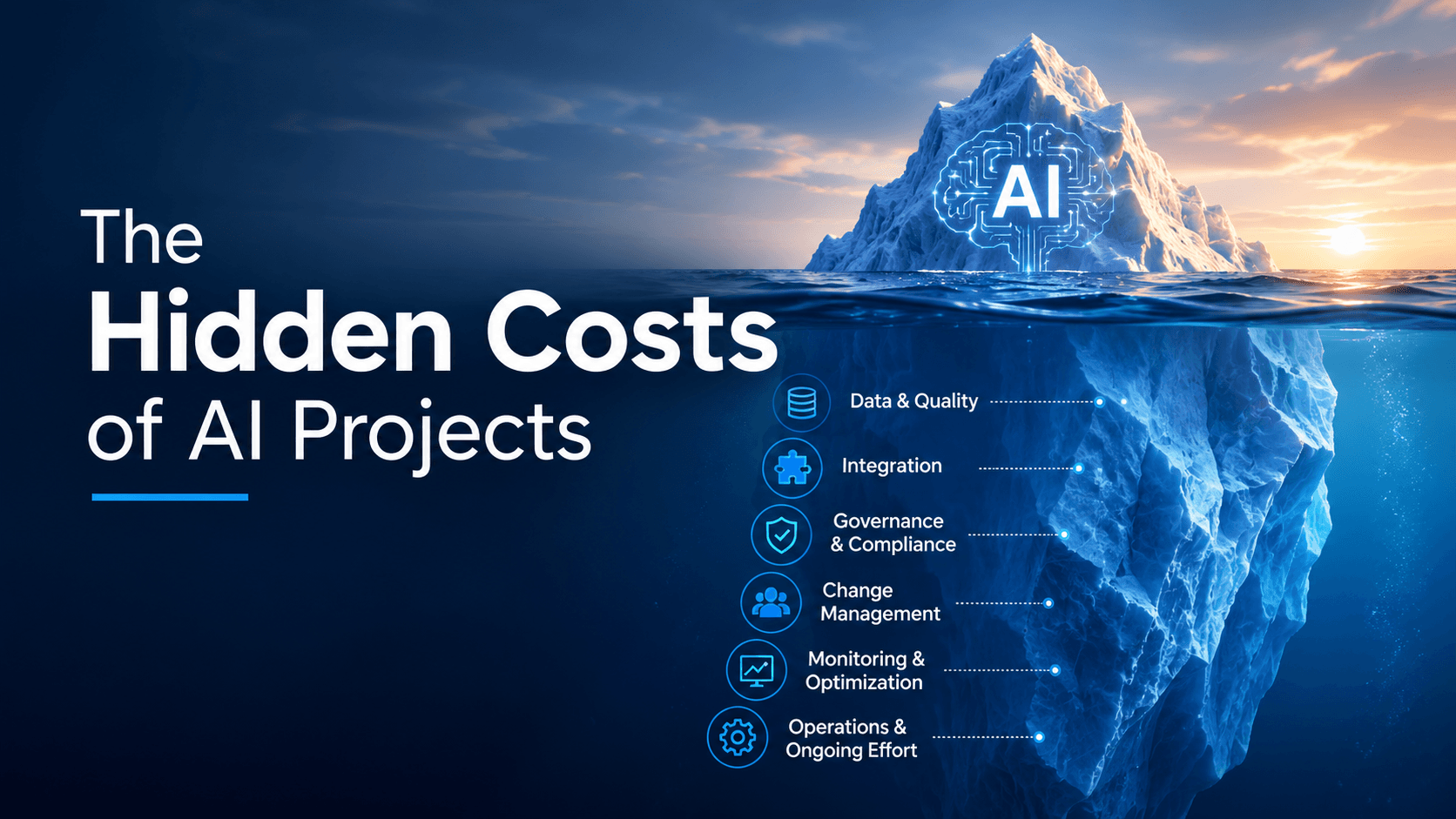
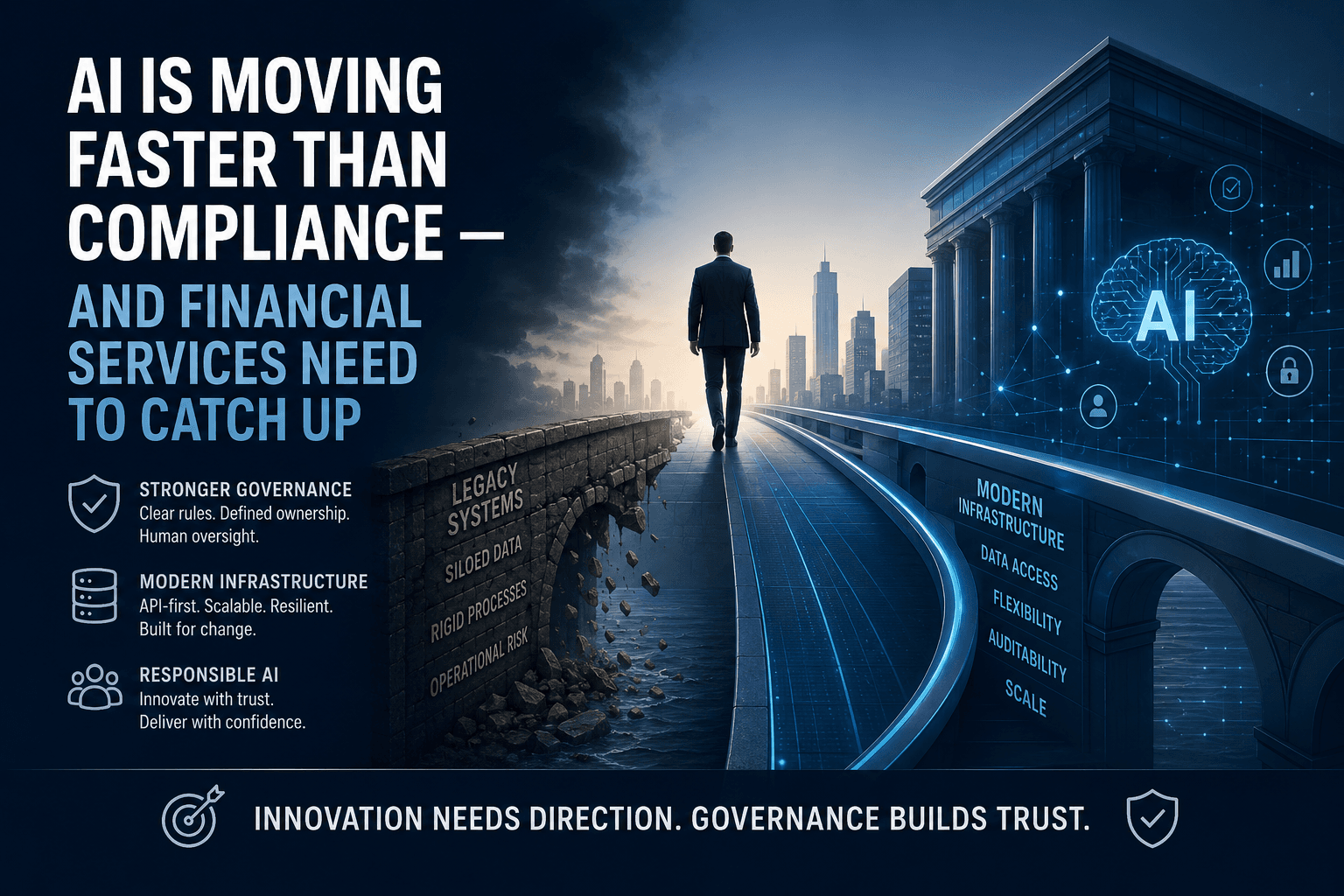
The gap between AI momentum and meaningful implementation—five critical questions to ensure your AI initiatives deliver measurable business value in financial services.
Transforming raw data into practical insights that enhance advisor performance—from sales science to productivity benchmarking and AI-powered monitoring.
How vibe-coding empowers wealth managers to build highly customized, advanced reports without technical expertise—delivering genuine flexibility and speed.
What databases, warehouses, and lakes really mean for financial services—and when to use each.
Agentic AI is reshaping software models across wealth management—here's how and why.
How AI agents take on real work for RIAs—from data ops to client reporting.
Use-cases for warehouses in RIAs and Family Offices, with practical examples.
Why automation is surging—and where legacy processes still bottleneck performance.
Platform architecture is like stonecutting—transformation comes from hundreds of deliberate strikes over time, not one decisive action.
The real operational cost of mediocre data quality—and how to fix it.
How GL overlays improve reporting workflows for family offices.
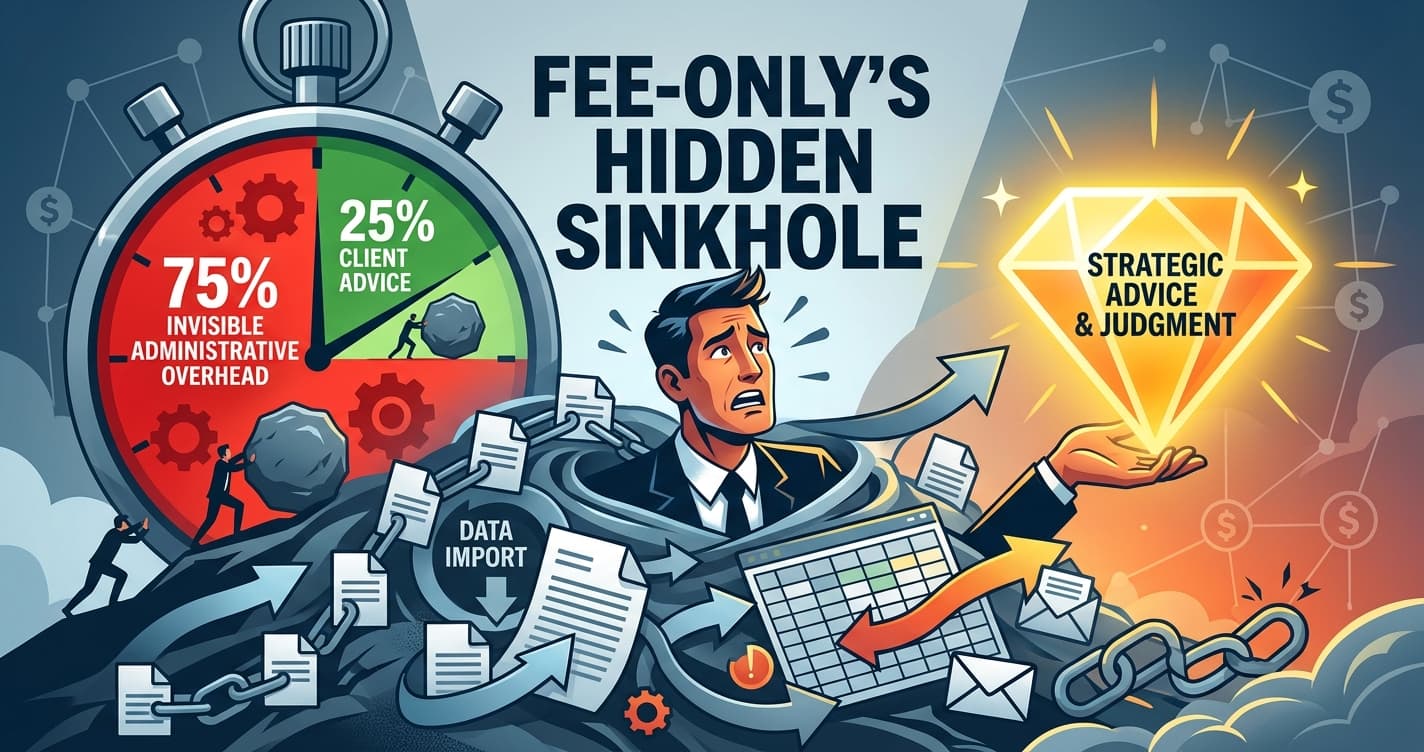
Manual data ops drain time and margin—here are the numbers.
A pragmatic overview of lakehouse architecture for wealth managers.
Common pitfalls in modernization—and paths through them.
Why multi-custodian strategies are rising—and the data implications.

A transformation story: from manual drudgery to AI-driven ops.
Announcing a new integration for seamless data flow.
Moving from quick fixes to lasting automation gains.
Siloed data hurts growth—integrated AI fixes it.
Adopt AI with minimal disruption—tactics and timeline.
How top multi-family offices automate end-to-end data workflows.
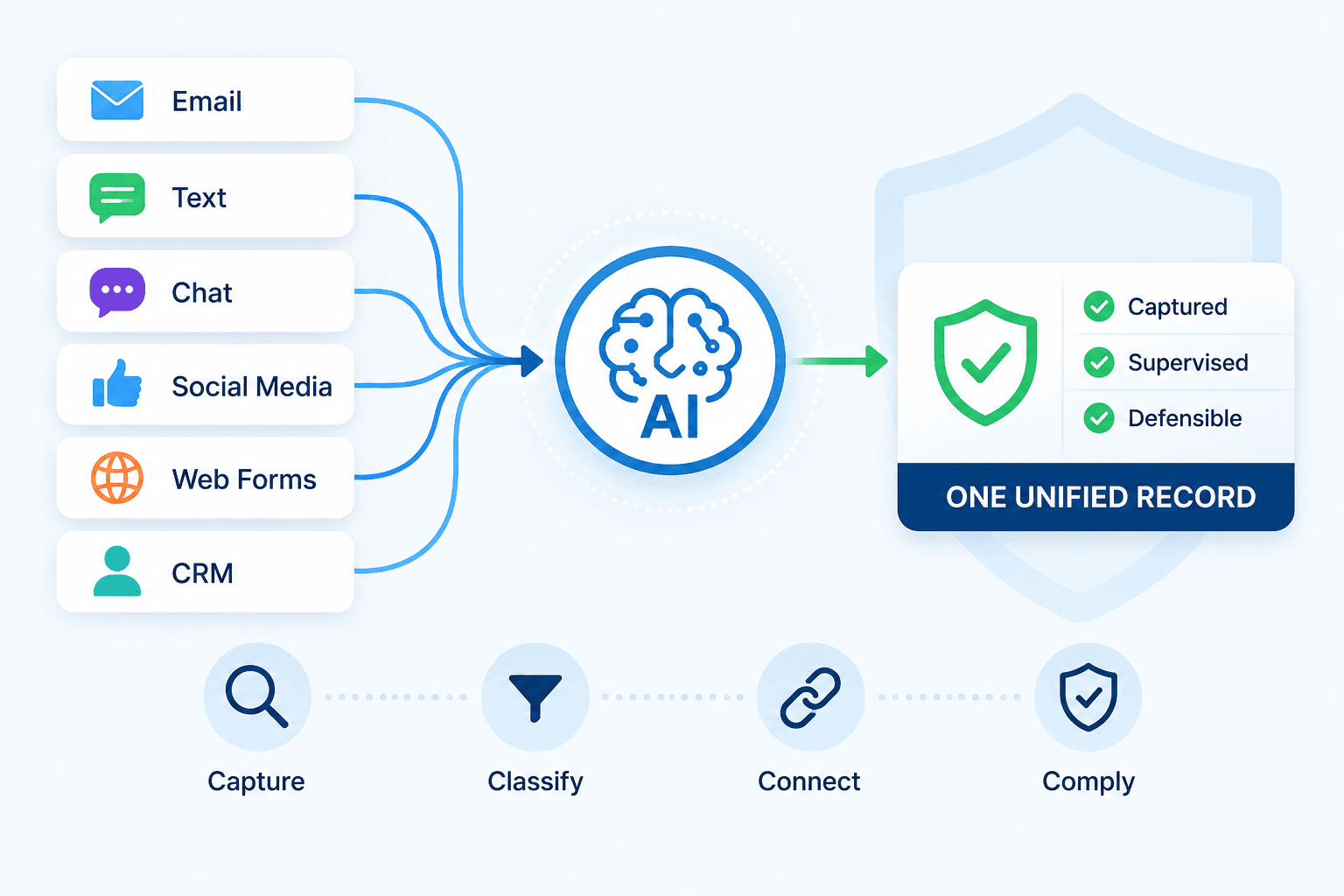
Keep data audit-ready with agentic AI—reduce compliance overhead.
How to quantify the ROI of automated data operations.
How AI and RPA support multigenerational family office operations.